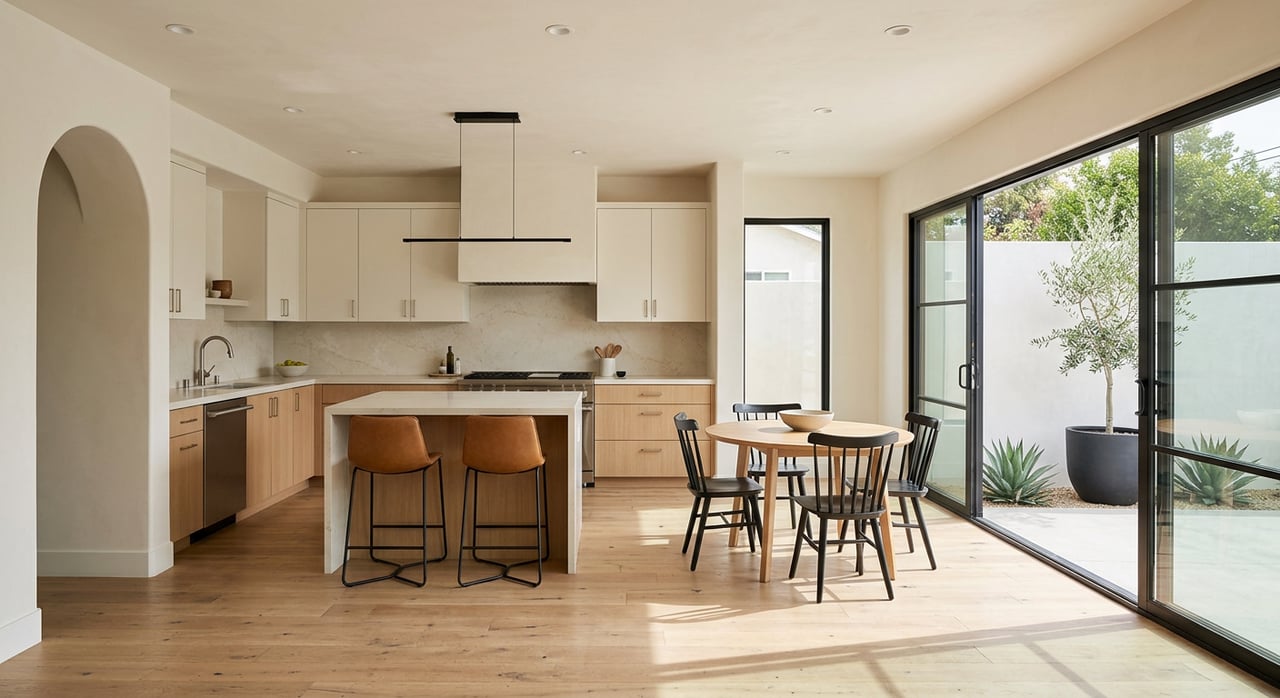
You put real money and time into that renovation. The wrong price can erase your hard work, while the right price can spark showings and strong offers. If you’re selling a renovated home in Clairemont Mesa East, you want a plan that reflects local buyers, recent comps, and what appraisers will actually credit.
In this guide, you’ll learn how to translate your upgrades into market value, how permits and documentation impact appraisals, and how to choose a pricing strategy that fits today’s San Diego conditions. Let’s dive in.
Clairemont market reality
Public portals often display different neighborhood medians because each uses its own data and methods. For your pricing decision, the most reliable approach is the latest 3 to 6 months of MLS closed sales that match your home’s condition and features.
Across San Diego, some segments have shown more negotiation and a rise in homes closing below original list price, which underscores the need for precise positioning and a strong launch. You can see that county context in recent reporting on homes selling below asking price in San Diego County from Axios.
Clairemont’s housing stock is largely mid‑century, so buyers often look for modern systems and updated interiors. The City’s updated Clairemont Community Plan informs long‑term expectations about housing and growth, which is useful background as you weigh improvements versus resale potential. You can review the community plan information on the City of San Diego’s site.
What drives price after a renovation
Upgrades Clairemont buyers pay for
Not every dollar spent returns a dollar at resale. Regional Cost vs. Value data for San Diego shows a consistent pattern: targeted, high‑visibility projects tend to recoup more than major luxury overhauls. According to the San Diego summary in the industry’s Cost vs. Value report, projects that often show stronger resale contribution include:
- New garage or steel entry doors that boost curb appeal.
- Minor kitchen updates like refaced cabinets, modern counters, appliances, and lighting.
- Midrange bathroom refreshes and tasteful exterior improvements like manufactured stone veneer.
- Outdoor living enhancements that photograph well and show clear usability.
You can explore San Diego’s project benchmarks in the Cost vs. Value report. In Clairemont, updated kitchens and baths plus solid mechanicals typically translate into clearer buyer premiums than highly personalized luxury finishes that outpace neighborhood norms.
Why permits and documentation matter
Permitted work and complete records build buyer confidence and help appraisers support value. Before listing, gather:
- Permits and final inspection sign‑offs.
- Contractor invoices, warranties, and a concise scope of work summary.
- Before‑and‑after photos and model/spec sheets for major fixtures or systems.
You can confirm permit history using the City’s Permit Finder and Development Services records. Start with the City’s notice on the Permit Finder tool and the general building permit page. If work was unpermitted, talk with your agent about whether a retroactive path is available before going live.
ADUs: strong potential, case by case
In San Diego, ADUs can add meaningful value and rental potential when permitted and well executed. Value depends on the lot, parking, permit status, and any deed restrictions tied to public ADU financing. If you used city or housing commission programs, those affordability terms must be disclosed. Review the San Diego Housing Commission’s ADU Finance Program and the City’s ADU guidance in the Housing Toolkit.
How your agent will price it right
Appraisers must support value with market evidence. They compare your home to closed sales, make adjustments for differences, and explain how renovations contribute to value. If recent renovated comps are limited, they may use paired‑sales or a cost‑influence approach, but any premium still needs market support. You can see how appraisers evaluate improvements in Fannie Mae’s selling guide.
The two‑track CMA that works for renovations
A clear pricing framework shows both the baseline and the renovation premium.
- Build two comp sets from the past 3 to 6 months:
- Renovated or turnkey sales that mirror your upgrade level.
- Original or dated condition sales that set the neighborhood baseline.
- Reconcile to a range:
- Identify the premium buyers paid for similar renovations as a dollar or percentage.
- Weigh recency, proximity, and similarity most heavily.
- Explain the sensitivity:
- Show how list price placement is likely to influence days on market and the sale‑to‑list ratio.
- Note how permit documentation, warranties, and professional presentation can reduce buyer discounting.
When comps are thin
If your renovation is extensive or the comp pool is light, a pre‑listing appraisal can help anchor expectations and reduce the risk of an appraisal gap later. Pairing that appraisal with a data‑rich CMA gives buyers and lenders a cohesive value story.
Pricing strategy options
You do not control the market, but you do control positioning. Choose a strategy that matches your goals and the comp evidence.
- Competitive at market: List near the midpoint of the renovated‑comp range to drive immediate traffic. Placing price points near common search thresholds can broaden visibility.
- Aggressive for a faster sale: List slightly below the renovated range to create urgency and invite multiple offers.
- Aspirational at the top: Reserve this for rare, fully permitted upgrades that are scarce in Clairemont and clearly supported by multiple recent renovated comps.
Pre‑listing checklist for a smooth launch
- Verify permits and pull records using the City’s tools. Save permit numbers and final inspections to share with buyers and appraisers. Start with the City’s Permit Finder overview.
- Compile your renovation packet: before‑and‑after photos, invoices, warranties, scope of work, and any energy upgrades.
- Consider a pre‑listing appraisal if you completed major structural or systems work or added significant square footage.
- Stage and photograph strategically: NAR research shows that professional presentation helps buyers visualize the home and can support stronger offers. See the NAR Profile of Home Staging for rooms to prioritize.
- Lean into premium marketing: Emphasize quality and permits in the property brochure and remarks. If you plan last‑mile updates before listing, ask about brokerage programs that coordinate and front improvement costs, then repay at closing.
Example pricing logic you can trust
Here is the simple, transparent formula your agent should present:
- Start with the as‑is neighborhood baseline from dated‑condition comps.
- Layer on a renovation premium supported by recent renovated sales that match your scope and finish level.
- Fine‑tune for features buyers consistently value in Clairemont, like modernized kitchens and baths, updated roof and HVAC, and usable outdoor space.
- Confirm that permits and documentation align with the claimed premium so the appraisal and underwriting process stays smooth.
When you see both comp sets side by side, the suggested list band feels logical. That clarity also helps you respond confidently to early feedback and offers.
Ready to list in Clairemont?
If you renovated with care, you deserve full credit at resale. I’ll document your upgrades, build a two‑track CMA that highlights your premium, and launch with a pricing strategy tailored to today’s San Diego market. To get started in English or Spanish, connect with Jonathan A Tapia.
FAQs
How do permits affect appraisals for renovated Clairemont homes?
- Verified permits and final inspections increase buyer confidence and help appraisers support value with fewer condition or safety concerns, which reduces the risk of appraisal adjustments.
Which kitchen updates have the best ROI in San Diego?
- Regional data points to minor kitchen remodels with refaced cabinets, new counters, appliances, and lighting as strong contributors relative to cost, as shown in the San Diego Cost vs. Value report.
Do ADUs always raise appraised value in Clairemont Mesa East?
- ADUs can add value and rental potential, but impact depends on permit status, lot layout, parking, and any affordability restrictions tied to public financing programs like those described by the San Diego Housing Commission.
Should I get a pre‑listing appraisal after a major remodel?
- If you added square footage or completed significant systems upgrades and renovated comps are scarce, a pre‑listing appraisal plus a strong CMA can prevent appraisal gaps and support pricing.
How long should I wait after finishing a renovation to list in San Diego?
- List once permitted work is finalized, documentation is assembled, and marketing assets are ready. Hitting the market with complete records and polished presentation often yields better results than rushing live.