If you price your La Jolla home too high, you may lose the buyers who matter most in the first few weeks. If you price it too low, you risk leaving real money on the table. In a market where location, views, and presentation can shift value dramatically from one street to the next, you need more than a rough estimate. You need a pricing strategy built for how La Jolla actually sells today. Let’s dive in.
Why pricing precision matters now
La Jolla still supports premium pricing, but buyers are showing more discipline than they did in the recent past. In April 2026, detached homes in ZIP code 92037 posted a median sales price of $3.95 million, spent 54 days on market, and sold for 94.4% of original list price. Attached homes had a median sales price of $1.061 million, spent 64 days on market, and sold for 96.3% of original list price.
That data points to a clear takeaway for sellers. Buyers are still active, but they are not paying any price just because a home is in La Jolla. With detached inventory at 3.7 months of supply and attached inventory at 2.7 months, your list price needs to reflect current demand, not just peak-market expectations.
Mortgage rates also matter in the background. Freddie Mac reported the average 30-year fixed rate at 6.36% on May 14, 2026, and noted that purchase demand was softening. Even in a high-end coastal market, financing conditions can narrow the buyer pool and increase sensitivity to overpricing.
Why La Jolla is not one market
One of the biggest pricing mistakes sellers make is treating all of La Jolla as if it moves the same way. It does not. La Jolla covers about 5,718 acres and is described by the City as 99% built out, with development now focused largely on infill.
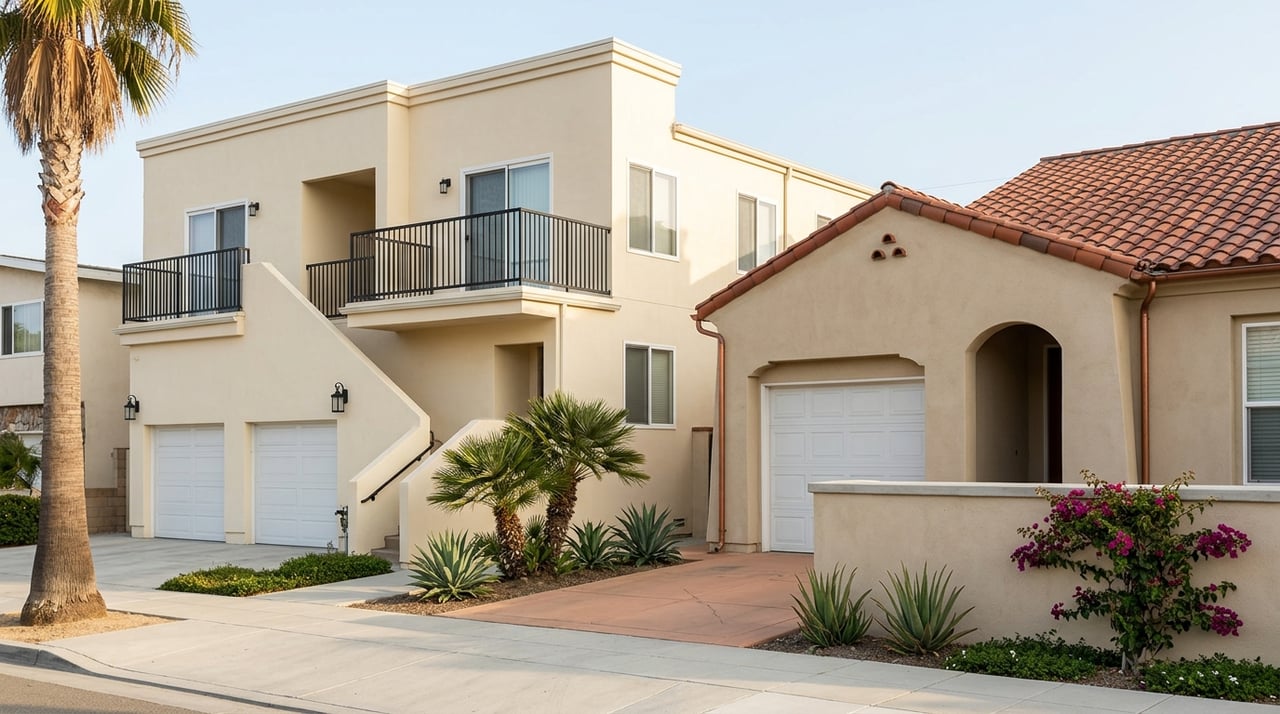
Its geography also creates meaningful differences in value. Ocean bluffs, beaches, steep canyons, hillsides, and Mount Soledad shape how homes sit, what they overlook, and how buyers experience them. The Village, La Jolla Shores, and Bird Rock each attract different buyer interest and can show different pricing and time-on-market patterns.
That is why a condo in the Village should not be priced using broad averages pulled from all of 92037. A beach-close property in La Jolla Shores and a detached home near Bird Rock may share a ZIP code, but they do not compete in the same way. In La Jolla, micro-neighborhood matters.
Start with the right comparable sales
The best pricing analysis begins with recent closed sales, not wishful thinking or active listings alone. Closed sales show what buyers actually agreed to pay. In La Jolla, those comps should match your home as closely as possible by property type, micro-neighborhood, and overall amenity profile.
That means comparing detached with detached and attached with attached whenever possible. It also means looking closely at location, lot utility, outdoor space, renovation quality, permit history, and exposure to traffic or noise. Small differences can create large price gaps in a market this nuanced.
Price per square foot can be a helpful reference point, but it should never be the whole story. A home with a strong view, a more usable lot, or a better position within a submarket may command a very different result than a nearby home with similar size. In La Jolla, precision beats shortcuts.
How much is a view worth?
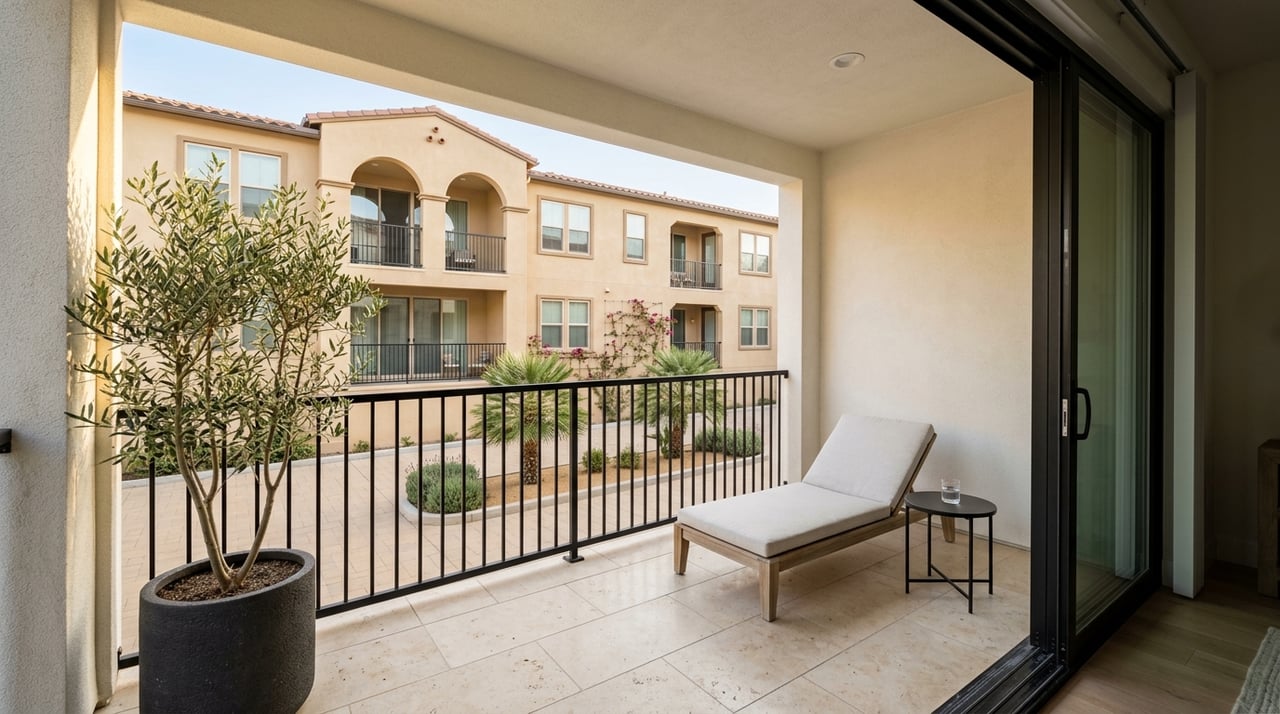
A view usually carries real value in La Jolla, but there is no universal formula. Research supports that beach and water views can increase home prices, yet the premium depends on view quality, scope, and market conditions. A wide, protected ocean view does not trade the same way as a partial peek or a view interrupted by rooftops and topography.
Coastal proximity also matters. A countywide study of San Diego sales found that, for a median-priced home, each additional mile away from the coast reduced sale price by about $8,680, with much stronger premiums for homes within 500 feet of the coast. That study is older and directional, but it reinforces something local sellers already see in practice: ocean-adjacent homes often operate in a different pricing tier.
The key is to avoid overgeneralizing. Not every “view” deserves the same adjustment, and not every buyer values the same scenery equally. A realistic pricing strategy weighs what your specific view offers compared with recently closed homes that buyers saw as true alternatives.
Seller-controlled upgrades that can support value
You cannot move your lot closer to the coast or create a canyon view overnight. You can improve how your home shows, how buyers feel when they walk in, and how confidently they write an offer. For many sellers, that is where the best return lives.
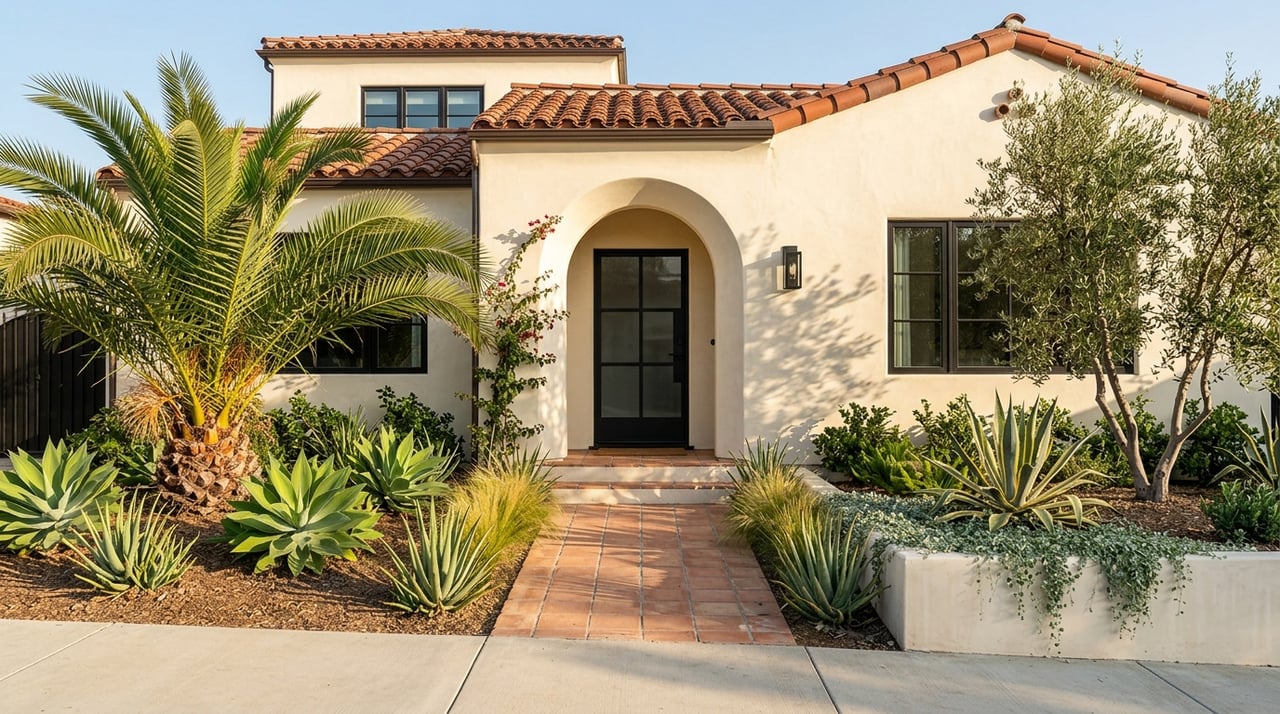
Research suggests that practical, broadly appealing updates often outperform highly personalized remodels. Zonda’s 2025 Cost vs. Value report found strong resale returns from exterior-focused projects such as garage door replacement, steel door replacement, and manufactured stone veneer. The broader lesson is simple: first impressions matter.
Before listing, focus on improvements that reduce buyer hesitation:
- Deep cleaning
- Decluttering
- Touch-up paint and basic repairs
- Landscape refresh
- Exterior improvements with broad appeal
- Lighting and presentation updates
For sellers who want to improve marketability without paying upfront, Jonathan A Tapia can also discuss Compass Concierge as part of a pre-listing strategy when it fits your goals.
Why staging still matters
Staging is not just about making a home look nice. It helps buyers understand the space, connect emotionally, and picture how they would live there. That can matter even more in an online-first search environment where photos and video often shape the first showing decision.
According to the National Association of Realtors’ 2025 staging report, 29% of agents said staging increased the dollar value offered by 1% to 10%. The same report found that 49% of sellers’ agents said staging reduced time on market, and 83% of buyers’ agents said staging made it easier for buyers to picture the property as their future home.
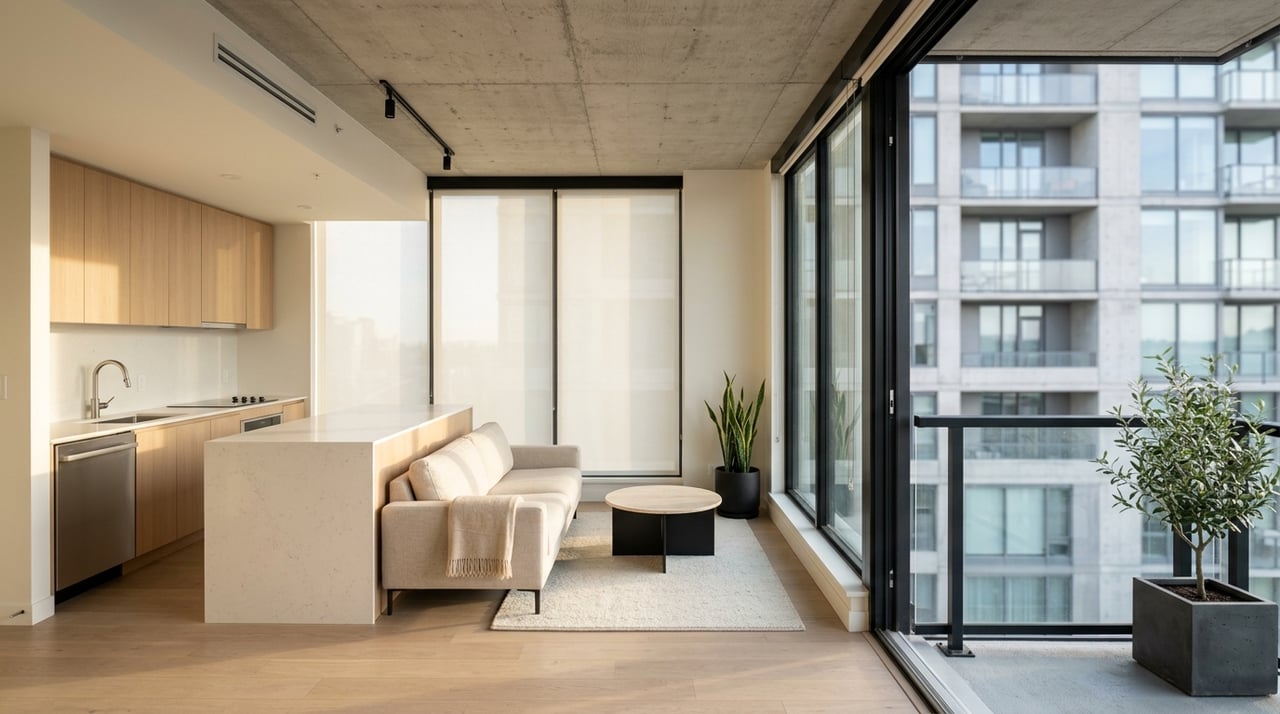
In a place like La Jolla, staging should match the home and buyer expectations. Clean lines, bright presentation, and a polished but restrained feel often help buyers focus on the features that drive value, such as natural light, layout, and views.
Signs your list price may be too aggressive
Even in a premium market, an ambitious price can work against you if it pushes serious buyers away early. The first few weeks matter because that is when your listing is freshest and most likely to capture attention from buyers already watching the market.
Here are a few signs the price may be too high:
- Strong online views but limited showings
- Showings without meaningful offer activity
- Consistent buyer feedback that the home feels overpriced
- Nearby comparable homes going pending faster
- Interest dropping off after the initial launch period
In today’s La Jolla market, the goal is not to “test” the market for too long. It is to launch at a price that attracts the right buyers quickly while preserving negotiating strength.
When a custom pricing strategy matters most
Some La Jolla homes need a more detailed analysis than others. If your property has an ocean or canyon view, unusual topography, a unique lot, major renovation history, or a location near the edge of two submarkets, pricing gets more complex.
That is also true if your home sits in or near the Village or La Jolla Shores, where planned district rules are part of the local context. These factors can influence buyer demand, how buyers compare options, and how much weight they place on design, utility, and location specifics.
In situations like these, broad averages can be misleading. A tailored pricing analysis gives you a more realistic picture of where your home fits in the current market and how to position it to sell.
A smarter way to price your La Jolla home
The strongest pricing strategy usually lands between two common mistakes: chasing the highest imaginable number or underestimating what makes your property special. You want a number that reflects current market data, your specific micro-neighborhood, and the features buyers in La Jolla actually pay for.
That strategy should answer a few core questions:
- Which recent closed sales are the best true comps?
- How does your property compare on view, location, lot, and condition?
- What seller-controlled improvements could strengthen value?
- What price gives you the best chance to attract serious buyers early?
When you get those answers right, pricing becomes a tool, not a guess. It helps you protect value, reduce unnecessary time on market, and move forward with more confidence.
If you are thinking about selling in La Jolla, a data-driven pricing review can help you understand what today’s market may really support for your home. For practical guidance on pricing, presentation, and pre-listing improvements, connect with Jonathan A Tapia.
FAQs
How should you price a home in La Jolla in today’s market?
- Start with recent closed sales in the same micro-neighborhood and property type, then adjust for view, lot utility, outdoor space, renovation quality, and location-specific factors like traffic or noise.
How much does an ocean view add to a La Jolla home price?
- An ocean or beach view can add meaningful value, but the premium varies widely based on view quality, scope, and current market conditions, so it should be judged against similar recent sales.
Should you renovate your La Jolla home before listing it?
- Usually, the safest updates are broad-appeal improvements such as exterior refreshes, repairs, cleaning, and presentation upgrades rather than highly customized remodels.
Does staging help sell a La Jolla home faster?
- Yes. Research shows staging can improve buyer perception, support stronger offers, and reduce time on market by helping buyers better understand and connect with the home.
Why do La Jolla comps need to be micro-neighborhood specific?
- La Jolla is not a uniform market. The Village, La Jolla Shores, Bird Rock, and other pockets can attract different buyers and show different pricing behavior, so broad ZIP-code averages can miss the mark.