City views, bay breezes, walkable errands, and a front-row seat to San Diego’s urban energy all sound exciting. But if you are thinking about buying or renting a downtown high-rise, you probably also want to know what daily life really feels like once the novelty wears off. This guide breaks down what you can expect from high-rise living in Downtown San Diego, from neighborhood vibe to transit, amenities, noise, and the details that matter most before you choose a building. Let’s dive in.
Downtown San Diego Is Not One Experience
One of the biggest surprises for many buyers is that Downtown San Diego is not just one uniform neighborhood. The City of San Diego describes downtown as eight neighborhoods, and local downtown organizations highlight distinct lifestyle zones that each feel a little different.
That matters because your experience in a high-rise can change a lot depending on where you live. A tower near nightlife and event venues will feel very different from one closer to the waterfront or in a more residential pocket.
East Village Feels Fast-Growing
East Village is the largest and fastest-growing part of downtown. If you want to be in an area with ongoing growth, urban activity, and easy access to the larger downtown core, this neighborhood often comes up in the conversation.
Gaslamp Feels Most Lively
Gaslamp is the entertainment-heavy core. It is known for dining, shopping, nightlife, live entertainment, and easy rideshare access, which makes it appealing if you enjoy being in the middle of the action.
At the same time, that energy can come with more noise, more visitors, and more event traffic. If you are sensitive to sound or prefer calmer evenings, this is something to think through carefully.
Little Italy Feels Walkable and Local
Little Italy is often associated with a more pedestrian-friendly daily rhythm. The area sits near the North Embarcadero Waterfront, and the Little Italy Mercato runs year-round on Wednesdays and Saturdays.
The Saturday market spans six city blocks and includes produce, meats, baked goods, groceries, and other food vendors. If your ideal lifestyle includes walking to coffee, shopping locally, and keeping car trips to a minimum, this area shows how practical downtown living can feel.
Marina and Columbia Feel Waterfront-Focused
The Marina District leans into bayfront living. Shoreline parks, the South Embarcadero Esplanade, San Diego Bayfront Park, and nearby Seaport Village all support a lifestyle built around walking, running, views, dining, and public events.
Columbia also sits at the waterfront edge, which can appeal to buyers who want a more polished urban setting near the bay. For many people, this side of downtown captures the high-rise image they picture first: glass towers, open views, and easy waterfront access.
Cortez Feels More Residential
Cortez stands apart a bit from the flashier parts of downtown. It is described as an older hillside district with a mix of Victorian homes and modern towers, which can create a more residential feel while still keeping you connected to downtown amenities.
Daily Life Is Built Around Walkability
For many residents, the biggest perk of downtown high-rise living is simple: you can do a lot without getting in your car. Downtown San Diego Partnership points to walkability, waterfront proximity, entertainment, coffee shops, gyms, breweries, arts, and sporting events as core parts of everyday life.
That means your routine can feel very different from a suburban pattern. Instead of planning around long drives, you may be walking to a workout, grabbing coffee downstairs, heading to dinner on foot, or meeting friends near the waterfront.
Downtown also has roughly 37,000 residents, 37 public parks, and more than 90 arts and culture organizations. Those numbers help explain why downtown can feel like a true residential district, not just a place people visit.
Getting Around Without Driving Everywhere
If you are hoping for a car-light lifestyle, downtown is one of the more realistic places in San Diego to try it. MTS Trolley service connects downtown with East County, UC San Diego, South Bay, and the Mexico border.
Santa Fe Depot and America Plaza act as the main downtown transportation hub. From there, you can connect to the Blue and Green trolley lines, the Silver Line Downtown Loop, COASTER commuter rail, Amtrak, Rapid service, and local buses.
MTS says trolley service generally runs about every 15 minutes during much of the day, with additional service for special events. Access to places like Petco Park, Snapdragon Stadium, the airport, and other neighborhoods makes transit a real part of daily life for some downtown residents.
Some Buildings Are Especially Transit-Oriented
Not every tower has the same relationship to transit. Some buildings are positioned to make public transportation especially convenient.
Smart Corner is one example of a mixed-use, transit-oriented development built around the City College Station. That kind of setup can be attractive if you want easy commuting options and a more connected urban lifestyle.
Driving Still Matters for Many Residents
Even in a walkable area, driving and parking still matter. In places like Gaslamp, much of the paid street parking is limited to two hours, and some areas are pedestrianized during parts of the day.
As a result, garages, valet, and building parking become important parts of your decision. If you own a car, parking is not a detail to treat lightly when comparing buildings.
High-Rise Amenities Can Vary a Lot
One common misconception is that all downtown towers offer the same kind of lifestyle. In reality, amenity packages can range from practical to very full-service.
For example, Electra highlights amenities such as a conservatory, lobby lounge, outdoor terrace with fireplace, pool, exercise room, concierge and security desk, sauna, and porte cochere. Pacific Gate highlights 24-hour lobby service, chef concierge, porter service, pool terrace with cabanas, sauna and steam, screening room, conference room, business center, and additional luxury-style perks.
That does not mean every building offers this level of service. It does mean you should compare towers based on what you will actually use, not just what sounds impressive on a marketing sheet.
The Best Amenity Is the One You Use
If you work from home, a business center or conference room may matter more than a screening room. If wellness is part of your daily routine, an on-site gym, pool, steam room, or terrace may have more value.
The key is to match the building to your lifestyle. A long amenity list is only helpful if it improves your day-to-day living.
Views Matter, but So Does the Unit
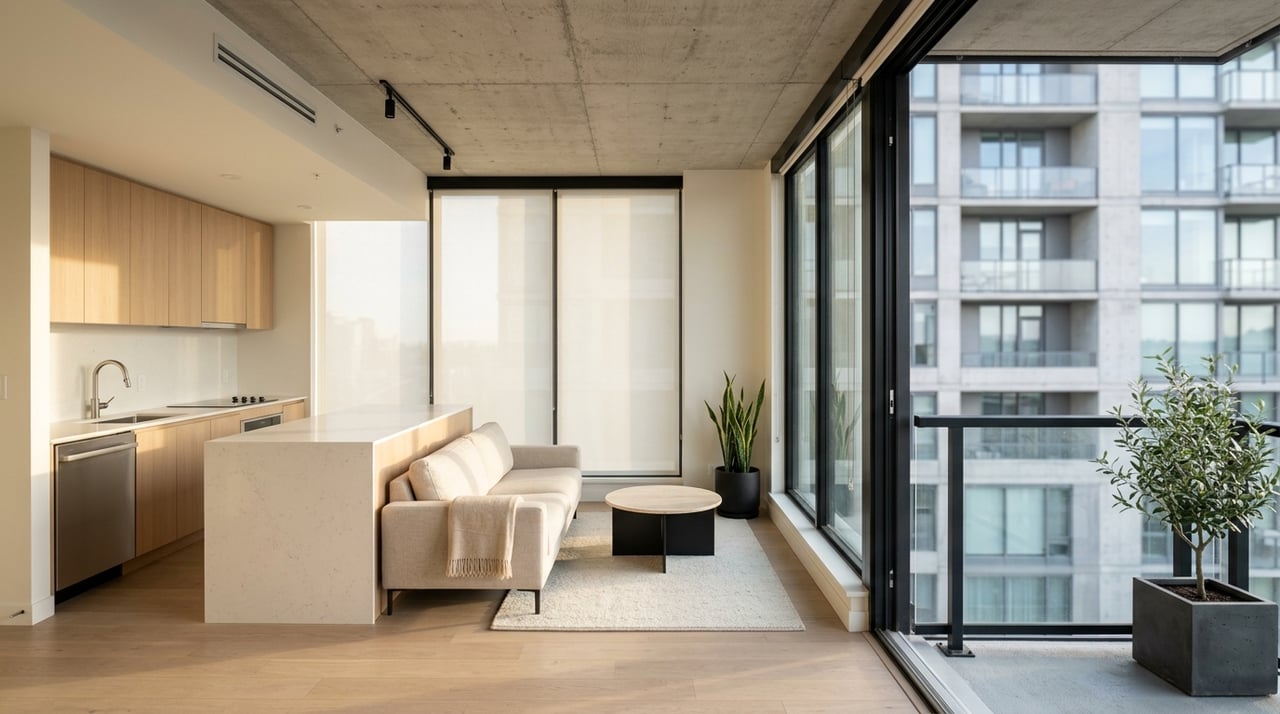
Views are a major reason many buyers are drawn to downtown high-rises. Waterfront towers and buildings with expansive windows can offer impressive city or bay outlooks.
But views are not all equal. Pacific Gate’s materials note that views shown are representative and not guaranteed, which is a useful reminder for any downtown buyer.
A great building does not automatically mean a great view from every unit. Floor height, direction, orientation, and nearby development all play a role, so it is important to evaluate the specific unit, not just the tower’s reputation.
The Real Trade-Off: Noise and Activity
If you want the honest version of downtown living, here it is: noise is usually the main trade-off. That noise can come from nightlife, event traffic, rail and bus activity near transportation hubs, and the general rhythm of a busy urban core.
Gaslamp is the clearest example because it is centered on dining, nightlife, and entertainment. Petco Park and the Convention Center also add event energy in parts of downtown, especially during games, conventions, and major public events.
Aircraft activity can also affect the experience in some locations. SAN maintains aircraft-noise monitoring, a complaint process, and a daily departure curfew from 11:30 p.m. to 6:30 a.m. local time.
Quieter and Livelier Areas Both Exist
The good news is that downtown offers a range. In general, areas with more residential or waterfront character tend to feel quieter than districts built around nightlife, sports, and major events.
That is why choosing the right neighborhood and the right unit matters so much. A well-positioned home in the right building can deliver the downtown lifestyle you want with fewer compromises.
Costs To Watch Beyond the Mortgage
If you are buying a condo in a high-rise, your monthly payment is not the full story. HOA dues are a major part of the budget and are usually paid separately from the mortgage.
Those dues can range from a few hundred dollars a month to more than $1,000 a month. In a downtown high-rise, they should be treated as part of your total housing cost from the beginning.
That does not mean high-rise ownership is a bad value. It just means you want a clear picture of what you are paying for, especially when amenities, staffing, security, and shared building features are involved.
What To Check Before You Buy
Before you commit to a downtown high-rise, it helps to look past the lobby and the views. A practical review should focus on the details that shape everyday life.
Here are a few of the most important things to compare:
- HOA dues
- Parking setup
- Storage availability
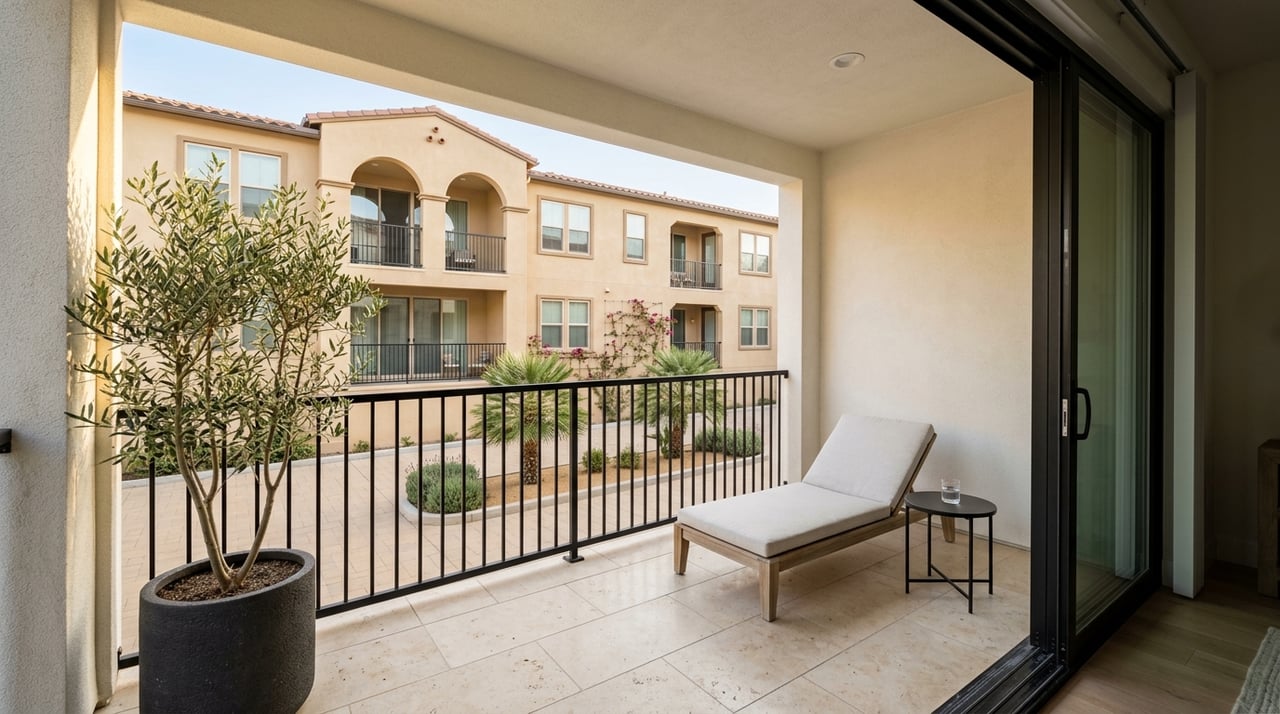
- Balcony or patio space
- Unit orientation
- Distance to nightlife
- Distance to transit
- Distance to event venues
Each of these can affect your comfort, costs, and long-term satisfaction. Two units in the same neighborhood can feel completely different based on these factors alone.
Who Downtown High-Rise Living Fits Best
Downtown high-rise living tends to work best if you value convenience, walkability, and urban energy. It can be a strong fit if you like being close to restaurants, arts, sporting events, waterfront paths, and transit.
It may be less ideal if you want a very quiet setting, lower HOA structure, or a home where parking and storage feel simple and abundant. That does not mean downtown is off the table. It just means the right fit usually comes from matching your habits to the right building and neighborhood.
If you are comparing options, the goal is not to ask whether downtown is good or bad. The better question is whether a specific tower, block, and unit match the way you actually want to live.
If you are thinking about buying a condo or exploring a move into Downtown San Diego, working with someone who understands both the neighborhood differences and the building-level details can save you time and help you avoid expensive surprises. When you are ready to talk through your options, connect with Jonathan A Tapia.
FAQs
What is daily life like in a Downtown San Diego high-rise?
- Daily life often centers on walkability, nearby dining, coffee shops, gyms, waterfront access, arts, and events, with the exact feel depending on which downtown neighborhood and building you choose.
What are the best Downtown San Diego neighborhoods for high-rise living?
- Downtown San Diego offers different experiences, including lively Gaslamp, pedestrian-friendly Little Italy, waterfront-focused Marina and Columbia, fast-growing East Village, and the more residential-feeling Cortez area.
Can you live in Downtown San Diego without a car?
- For some residents, yes. Trolley, rail, and bus connections through hubs like Santa Fe Depot and America Plaza make a car-light lifestyle realistic, especially if you live near the downtown transit core.
Is Downtown San Diego high-rise living noisy?
- It can be. Noise often comes from nightlife, sporting events, conventions, transit activity, and aircraft patterns, though some downtown areas generally feel calmer than others.
What should buyers check before buying a downtown condo?
- Buyers should closely review HOA dues, parking, storage, outdoor space, unit orientation, and how close the home is to nightlife, transit lines, and event venues.
Do all Downtown San Diego high-rises have the same amenities?
- No. Amenity packages vary widely by building and can include features like pools, fitness rooms, concierge service, lounges, terraces, business spaces, and security staffing.