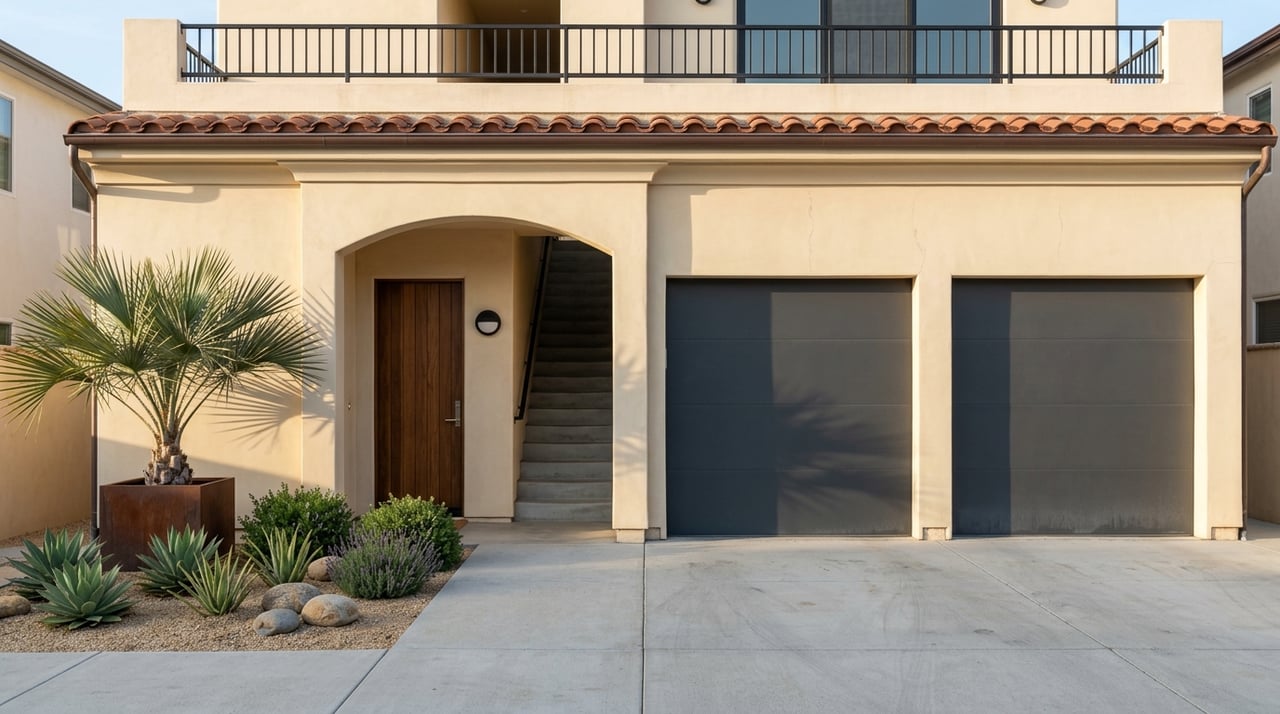
Dreaming about a condo you can lock up, head to the beach from, and enjoy year-round in Pacific Beach? That idea is easy to picture, but buying near the sand comes with a few important details that matter just as much as the view. If you are considering a condo in Pacific Beach, this guide will help you look past the surface and focus on the factors that shape daily living, long-term costs, and resale value. Let’s dive in.
Why Pacific Beach Draws Condo Buyers
Pacific Beach offers a rare mix of coastal access, established housing, and year-round demand. The City of San Diego describes it as a primarily residential coastal community between La Jolla, Interstate 5, Mission Bay Park, Mission Beach, and the Pacific Ocean, with about 97 percent of the area already developed. That limited room for new construction means many future projects are redevelopment or infill, which can support long-term interest in well-located condos. You can review the City’s overview on the Pacific Beach community planning page.
For many buyers, that scarcity is part of the appeal. You are not just buying interior square footage. You are buying proximity to the coast, access to a highly active neighborhood, and a location where supply is naturally constrained.
The market also reflects that demand. In March 2026, Redfin’s Pacific Beach housing market snapshot reported a median sale price of $1.495M for Pacific Beach homes overall, with homes selling in about 31 days. The same source showed 49 condos for sale at a median listing price of $995K, while Realtor.com’s January 2026 rental snapshot placed the median rental price at $3,149 per month.
Start With Your Intended Use
Before you compare finishes, views, or price per square foot, get clear on how you plan to use the property. In Pacific Beach, the right condo for a primary residence may not be the right condo for a second home or investment purchase.
That is because condo ownership here is shaped by three major filters: HOA rules, parking, and rental restrictions. If those three line up with your goals, the purchase can make a lot more sense. If they do not, a beautiful unit can become a frustrating fit.
Primary residence buyers
If you plan to live in the condo full time, focus on day-to-day livability. Parking, storage, noise exposure, HOA stability, and ease of access can affect your quality of life more than upgraded countertops or staged furniture.
Second-home buyers
If this will be a part-time coastal property, look closely at lock-and-leave convenience. You may care more about building maintenance, shared systems, security features, and whether the HOA is keeping up with major repairs.
Investment-minded buyers
If rental income is part of your plan, review both city rules and building rules before you assume a unit can be rented the way you want. The City of San Diego’s Short-Term Residential Occupancy rules distinguish between home-sharing in a primary residence and whole-home rentals, and outside Mission Beach, whole-home short-term rentals generally require a Tier 3 license for more than 20 days per calendar year and a two-night minimum stay.
Just as important, HOA rules are private rules that can be stricter than city regulations. That means a condo can be legally located in a place where the city allows a use, but the HOA may still limit or prohibit it.
HOA Rules Matter More Than You Think
Most Pacific Beach condos are common interest developments, which means HOA membership comes with ownership. According to the California Department of Justice HOA consumer guidance, associations create and enforce rules and guidelines for the community.
Monthly dues are only one piece of the picture. The California Department of Real Estate explains in its Residential Subdivision Buyer’s Guide that HOA dues and assessments help pay for operating costs, common-area maintenance, and reserves for future replacement and repairs. If reserves are weak or the building has deferred maintenance, low dues today may not feel like a bargain later.
This is especially important in older buildings or condo conversions. The DRE notes that older or previously constructed projects can have greater maintenance and repair needs, and owners may face assessment increases after early subsidy periods end.
What to review before you buy
Ask for and review key HOA documents during your due diligence period, including:
- CC&Rs
- Bylaws
- Current budget
- Assessment history
- Reserve funding information
- Rules on rentals
- Pet restrictions
- Parking rules
- Remodeling guidelines
You should also ask whether the association has any recent or pending capital projects. Shared components like roofs, paving, pools, elevators, and exterior systems can create meaningful ownership costs over time.
Parking Can Make or Break the Purchase
In a beach-close condo search, parking is not a small detail. In Pacific Beach, it is often one of the most important value drivers.
The City of San Diego identifies Pacific Beach as an active community parking district, and its parking demand study reported the highest average parking occupancy of all community parking districts. Occupancy was above 85 percent on Saturdays and Sundays, with a peak of 99 percent on Sunday at 4 p.m. You can see that context on the City’s community parking districts page.
That means street parking can be highly competitive, especially near the coast and during busy periods. If a condo does not come with practical parking, you may feel that compromise every week.
What to look for in parking
When comparing condos, ask these questions:
- Is the parking deeded, assigned, or first-come, first-served?
- Is it a garage, carport, tandem setup, or open space?
- How easy is it to access the space?
- Is there guest parking?
- Are there storage areas for bikes or beach gear?
- Does the HOA regulate oversized vehicles or visitor parking?
The City’s Pacific Beach planning materials also include coastal parking standards in the beach impact area of 1.5 spaces per unit for one-bedroom-or-less residences and 2 spaces for units with two or more bedrooms. That does not guarantee every older building meets modern expectations, but it does show how important parking is in this location. The City also notes that public parking lots are available at Pacific Beach, though overnight camping, sleeping, or parking is not allowed in beach and adjacent public parking areas according to the community plan.
The City has also adjusted parking management in recent years. In January 2025, most city parking meters, including those in Pacific Beach, increased to $2.50 per hour, and in August 2025 meter hours in Pacific Beach commercial areas were extended to 10 p.m. and Sundays. Meters are installed on Garnet Avenue and on some blocks of Cass, Hornblend, and Bayard.
Building Condition Deserves a Close Look
Near the beach, salt air, sun exposure, and heavier use can add wear to exterior surfaces and shared systems. While every building is different, this is one reason it helps to look carefully at the condition of the structure, not just the unit itself.
A freshly updated interior can distract from larger building questions. If the association has upcoming work on roofing, waterproofing, balconies, paving, or common systems, your true cost of ownership may look very different a year after closing.
Signs to investigate further
Pay extra attention if you notice:
- Unusually low HOA dues for an older building
- Recent special assessments
- Deferred maintenance in common areas
- Limited reserve funding
- Ongoing exterior repair discussions
- Restrictions or concerns around planned remodeling
This is where practical guidance matters. A condo is not just a home purchase. It is also a shared financial relationship with the building and the association.
Coastal Risk Is Part of the Decision
Buying near the beach can offer lifestyle value and long-term appeal, but coastal ownership also means understanding location-specific risk. The City of San Diego reports that sea level rise is accelerating, that San Diego experienced 0.71 feet of sea level rise during the 20th century, and that another 3.6 to 7 feet could occur by 2100. The City’s sea level rise resource page outlines that broader context.
The Pacific Beach community plan also references coastal bluffs, erosion concerns, and geotechnical factors in some areas. That does not mean every condo purchase is high risk, but it does mean buyers should verify the exact property location and not rely on general neighborhood assumptions.
A smart next step is to check the exact address through FEMA’s Flood Map Service Center. If you are buying close to the water, this should be part of your research early in the process.
Why Block and Location Matter
Not every Pacific Beach condo offers the same ownership experience. Two units with similar square footage can feel very different depending on the block, distance to the beach, access to major streets, parking setup, and building orientation.
The City notes that much of Pacific Beach falls within the coastal zone and beach impact area, where traffic, parking, and coastal resource rules matter more than they might inland. That can affect convenience, especially during weekends, holidays, and peak visitor seasons.
For that reason, it helps to think beyond “near the beach” as a general idea. A better question is: How does this exact location support the way you want to use the property?
A Smart Buying Strategy for Pacific Beach Condos
If you want to buy confidently in Pacific Beach, keep your search process disciplined. The strongest purchase is often not the flashiest condo. It is the one that best matches your goals, budget, and expected ownership costs.
A simple framework can help:
- Define your intended use before touring.
- Set a monthly ownership budget that includes HOA dues.
- Prioritize parking early in your search.
- Review HOA documents carefully.
- Ask about reserves, assessments, and pending repairs.
- Confirm rental rules before counting on income.
- Verify flood and coastal risk for the exact address.
- Compare blocks, not just listings.
This approach can save you from chasing units that look great online but do not work in real life.
The Bottom Line on Buying Near the Beach
Buying a condo near the beach in Pacific Beach can be a great move if you understand what drives value here. Scarcity, coastal access, and steady demand all support the neighborhood’s appeal, but your success as a buyer usually comes down to the details.
In this market, the best condo is often the one with the right HOA structure, the right parking setup, and rules that fit how you plan to use it. If you focus on those fundamentals first, you can make a more informed decision and avoid expensive surprises later.
If you want help sorting through Pacific Beach condo options, reviewing how a building fits your goals, or narrowing down the best match for your budget and lifestyle, connect with Jonathan A Tapia. You will get practical, straightforward guidance tailored to the way you plan to buy.
FAQs
What should you check before buying a condo in Pacific Beach?
- Review the HOA documents, monthly dues, reserve funding, assessment history, parking setup, rental rules, and any pending building repairs before you commit.
Why is parking such a big issue for Pacific Beach condos?
- Pacific Beach has very high parking demand, and city data shows weekend occupancy can reach 99 percent, so deeded or assigned parking can strongly affect convenience and resale appeal.
Can you use a Pacific Beach condo as a short-term rental?
- Possibly, but you need to confirm both San Diego short-term rental rules and the HOA’s rental restrictions, since the building may limit uses beyond what the city allows.
Do HOA fees in Pacific Beach condos usually cover major repairs?
- HOA dues help fund operating costs and reserves, but if reserves are not strong enough, the association may levy special assessments for major maintenance or replacement work.
How do you check flood risk for a beach-close condo in Pacific Beach?
- Verify the exact property address using FEMA’s official Flood Map Service Center rather than relying on general assumptions about the neighborhood.
Is buying a condo near the beach in Pacific Beach a good long-term move?
- It can be, especially because Pacific Beach has limited vacant land and strong coastal appeal, but the fit depends on the building, block, parking, HOA health, and your intended use.