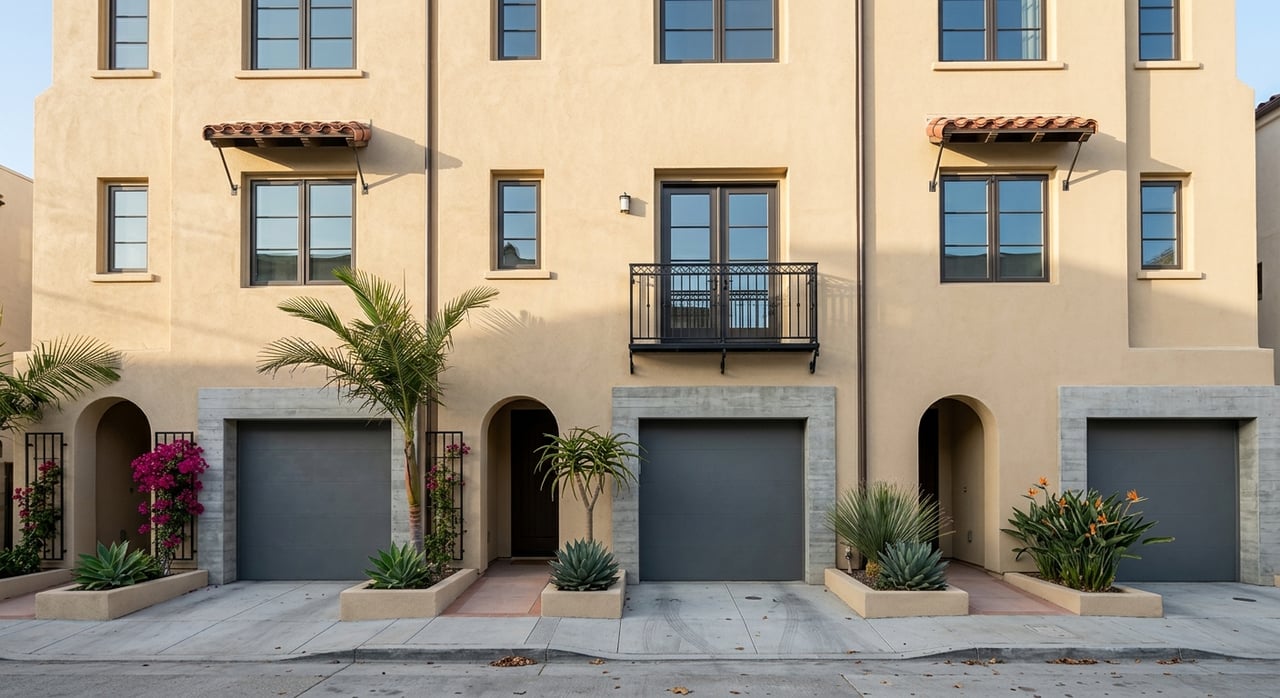
Wondering whether a condo or townhome makes more sense in Downtown San Diego? You are not alone. Many buyers start with the look and feel of a home, but in this market, the more important question is often how the property is legally structured, what the HOA covers, and how that affects your monthly costs, maintenance, parking, and resale. If you are weighing your options in Downtown, this guide will help you compare them more clearly. Let’s dive in.
Why the Label Can Be Misleading
In California, a condo is a legal ownership type, while a townhome is usually an architectural style. That means a home that looks like a traditional townhome can still be legally classified as a condominium.
This matters because ownership structure can affect maintenance duties, financing, insurance, and resale. In other words, two homes may look similar from the outside but come with very different responsibilities once you own them.
How Ownership Works in California
With a condominium, you usually own the interior airspace of your unit and share ownership of common areas with other owners. Common areas can include things like hallways, roofs, garages, elevators, and exterior systems.
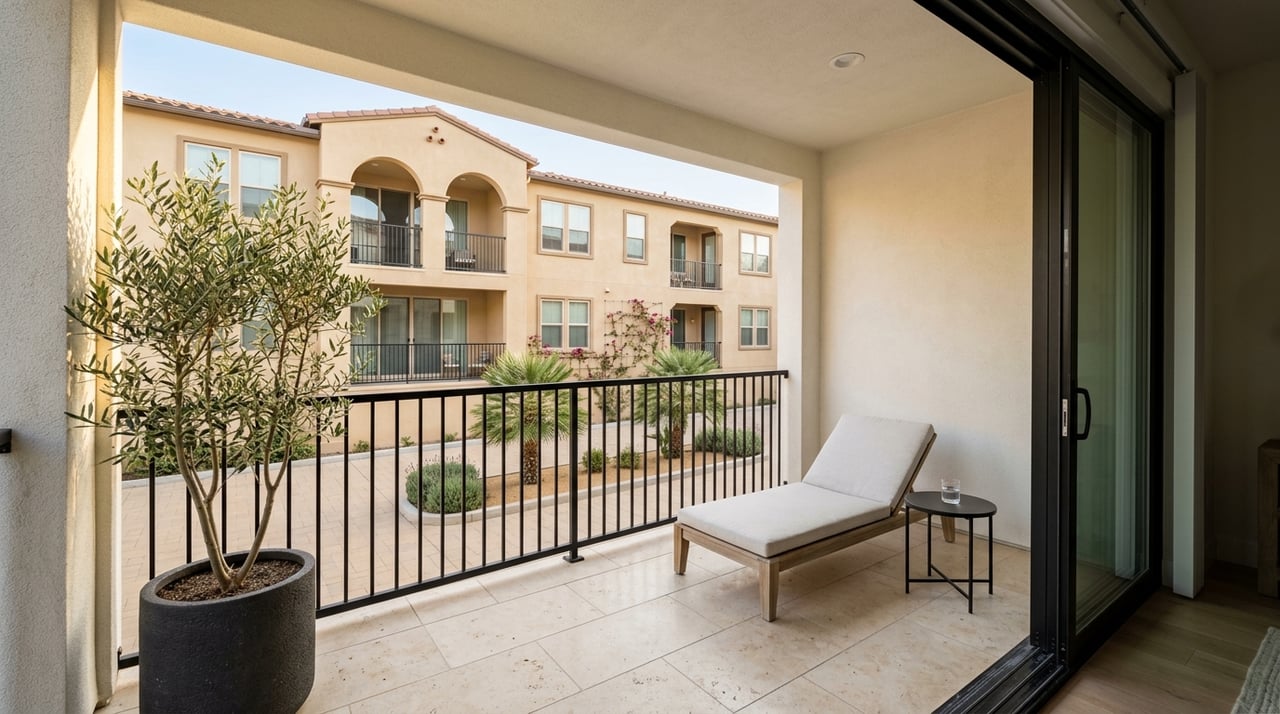
Some features that feel private, such as patios, balconies, parking spaces, or stoops, may still be classified as exclusive-use common area. That means they are assigned to your unit, but the governing documents decide who maintains them and how they can be used.
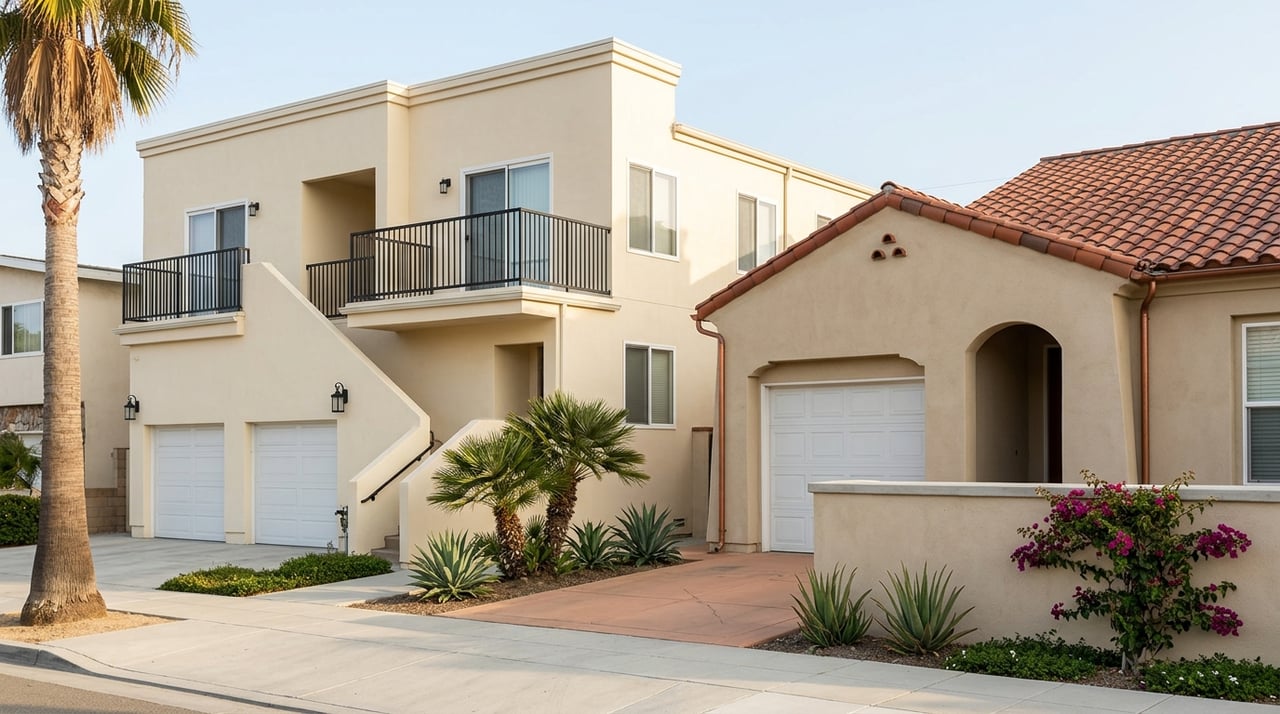
A townhome-style property may be part of a condominium project or a planned development. Because of that, you should verify the recorded ownership type instead of assuming the layout tells the whole story.
Downtown San Diego Lifestyle Factors
Downtown San Diego offers a very specific kind of living experience. The City of San Diego identifies Downtown as eight neighborhoods: Gaslamp, East Village, Columbia, Marina, Cortez, Little Italy, Horton Plaza, and Core.
The area is known as a center for business, arts, entertainment, transit, recreation, and culture. For many buyers, that means the real decision is less about yard space and more about how you want to balance walkability, privacy, convenience, and monthly ownership costs.
Walkability and Daily Convenience
Downtown is designed for urban living. The city classifies it as Mobility Zone 1, which reflects a strong focus on reducing car trips and encouraging access to transit, walking, and biking.
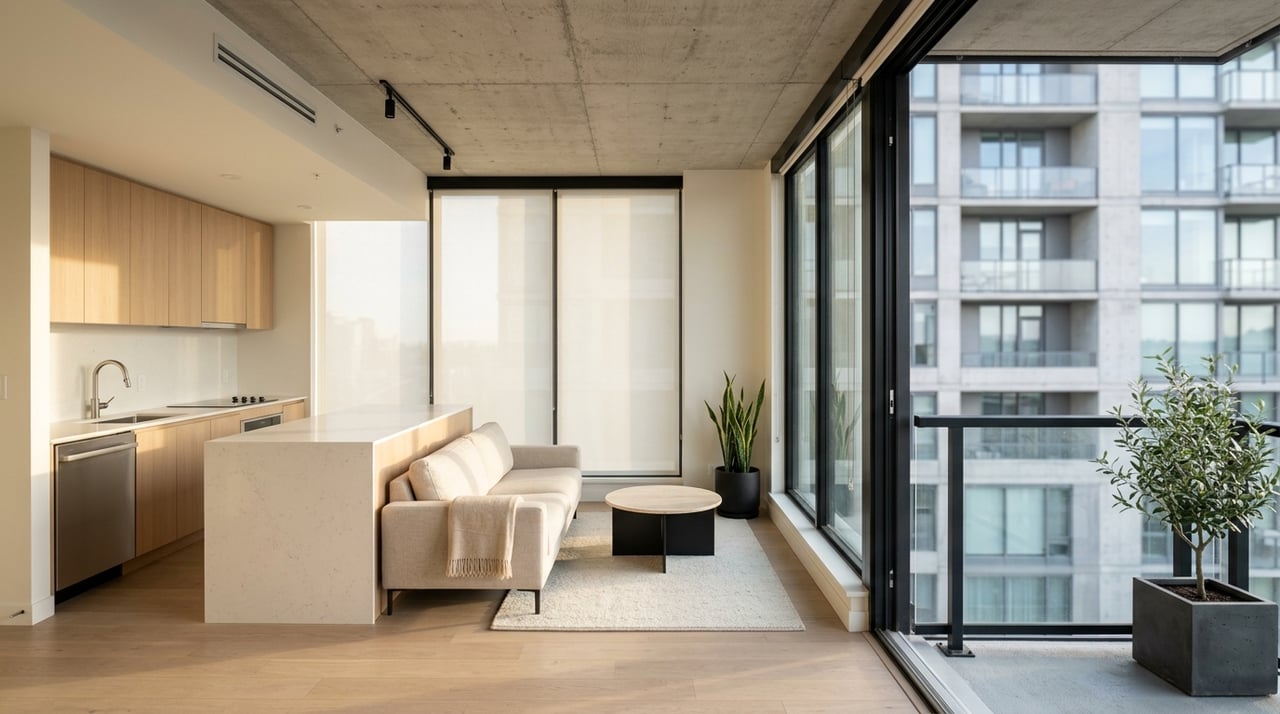
That often makes condos appealing for buyers who want a lock-and-leave lifestyle close to work, dining, events, and everyday services. Townhome-style homes can offer a more private feel, but they do not automatically give you a simpler ownership experience.
Parking Matters More Than You Think
Parking should be a direct question on every Downtown listing you consider. City resources note that Downtown uses district-level parking planning and includes public parking garages, but parking is not guaranteed by property type.
Instead, the real issue is how parking is assigned to the specific property. A space might be deeded, exclusive use, tandem, shared, rented, or not included at all.
Condo vs. Townhome: The Real Trade-Offs
The biggest mistake buyers make is assuming condos always mean more shared responsibility and townhomes always mean more independence. In reality, the answers depend on the project’s legal setup and governing documents.
A useful way to think about it is this: condos often place more of the shared infrastructure and financial risk at the project level, while townhome-style homes may feel more like a house but can still come with significant HOA obligations.
When a Condo May Fit Better
A condo may be the stronger fit if you want:
- A more centralized, shared-maintenance setup
- Amenities that are managed by the HOA
- A more lock-and-leave lifestyle
- A location-focused purchase close to Downtown activities and transit
That said, you still need to look closely at the HOA’s financial health. Monthly dues may cover major systems and shared spaces, but those same shared systems can also lead to higher dues or special assessments over time.
When a Townhome-Style Home May Fit Better
A townhome-style property may be worth a closer look if you want:
- A layout with more vertical separation
- Side-by-side living rather than stacked units
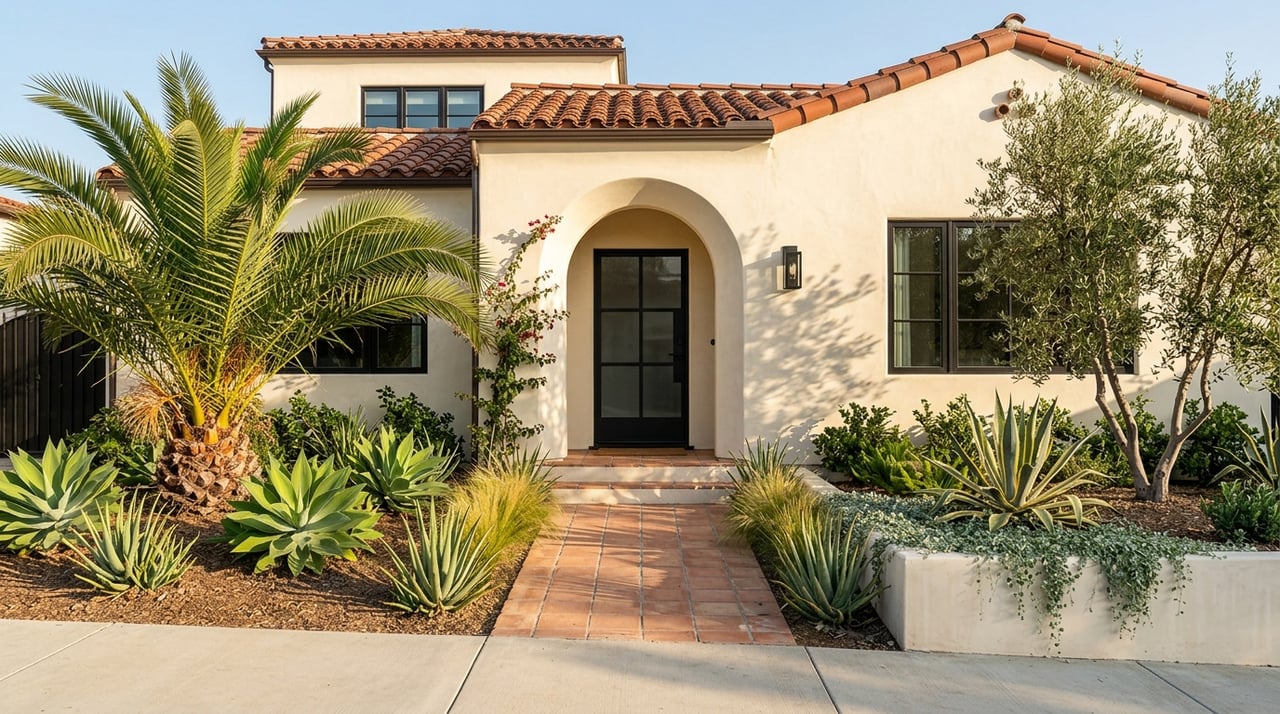
- A more house-like feel
- Potentially more defined private outdoor or entry space
Still, do not assume that means lower HOA dues or fewer shared obligations. Some planned developments include private streets, recreation facilities, and other shared improvements that the HOA maintains.
Why the HOA Deserves Close Attention
If you are comparing Downtown homes, the HOA package may tell you more than the listing photos do. California law requires associations to provide an annual budget report that includes reserve information, anticipated special assessments, outstanding loans, and a summary of insurance policies.
For condominium projects, that annual report must also state whether the development is FHA- or VA-approved. That can be an important detail depending on your financing plan.
Reserve Health and Special Assessment Risk
California also requires a reserve study at least once every three years, along with annual board review and updates as needed. For buyers, this is one of the clearest windows into future cost risk.
Shared components like roofs, elevators, waterproofing, garage structures, plumbing, and exterior systems can be expensive to repair or replace. If reserves are weak, owners may face increased dues or special assessments.
What the Monthly Dues Actually Cover
Do not stop at the monthly HOA number. Ask what that number includes.
You want to know whether the association handles the roof, exterior walls, windows, balconies, landscaping, private streets, elevators, garage areas, or other building systems. In Downtown San Diego, the value of dues depends on what responsibilities they remove from your plate and what financial exposure may still remain.
Financing and Resale Can Shift the Decision
Project-level details can influence whether a property is easy to finance and easy to resell later. Fannie Mae notes that lenders must determine whether a condo, co-op, or PUD project meets eligibility requirements before delivering a loan secured by a unit.
A condo project may be ineligible in some cases if it has critical repairs, insufficient insurance, significant pending litigation, or hotel or short-term-rental characteristics. That is why it helps to review association documents early, especially in older or heavily amenitized buildings.
Smart Questions to Ask on Every Downtown Listing
If you want to compare a condo and a townhome-style property the right way, use the same checklist for both. Focus on structure, costs, and restrictions rather than looks alone.
Here are key questions to ask:
- What is the legal ownership type?
- What exactly does the HOA maintain?
- How much are the monthly dues, and what do they cover?
- How well funded are the reserves?
- Is a special assessment anticipated?
- What does the master insurance cover, and what is excluded?
- Are there deferred maintenance issues, pending repairs, or litigation?
- How is parking assigned?
- Are there rules on pets, rentals, or short-term rentals?
- If it is a condo project, is FHA or VA approval relevant to your financing?
What Often Matters Most in Downtown
In Downtown San Diego, the better choice usually comes down to your lifestyle and risk tolerance. If your top priorities are convenience, amenities, and easy access to urban living, a condo may check more boxes.
If you want a more private layout and a home that feels less stacked, a townhome-style property may be more appealing. But in either case, the smart move is to evaluate the legal structure, HOA responsibilities, reserve health, financing impact, and parking details before you make a decision.
Buying in Downtown is rarely about choosing the better label. It is about choosing the property that best matches how you want to live, what monthly costs you are comfortable carrying, and how much project-level risk you are willing to accept.
If you want help comparing Downtown San Diego condos and townhome-style homes in a practical, data-driven way, Jonathan A Tapia can help you look beyond the surface and evaluate what really matters.
FAQs
What is the difference between a condo and a townhome in Downtown San Diego?
- In California, a condo is a legal ownership type, while a townhome is usually an architectural style. A townhome-style property in Downtown San Diego can still be legally classified as a condominium.
Why does legal ownership type matter for Downtown San Diego buyers?
- The legal structure can affect maintenance duties, financing options, insurance questions, resale, and what parts of the property are owned privately versus shared through the HOA.
Are townhome-style homes in Downtown San Diego always lower maintenance than condos?
- No. Maintenance responsibilities depend on the specific project and governing documents. Some townhome-style communities still have major shared elements maintained by the HOA.
What HOA documents should buyers review for a Downtown San Diego condo or townhome-style property?
- Buyers should review the annual budget report, reserve funding summary, insurance summary, and any notice of anticipated special assessments, deferred maintenance, or outstanding loans.
Why is parking such an important question in Downtown San Diego?
- Downtown parking is managed at the district level, so buyers should confirm whether a property’s parking is deeded, exclusive use, tandem, shared, rented, or not included.
Can HOA financial issues affect financing for a Downtown San Diego condo?
- Yes. Project-level issues such as critical repairs, insufficient insurance, significant litigation, or hotel-style short-term-rental characteristics can affect financing eligibility for some condo projects.